


第1展示室
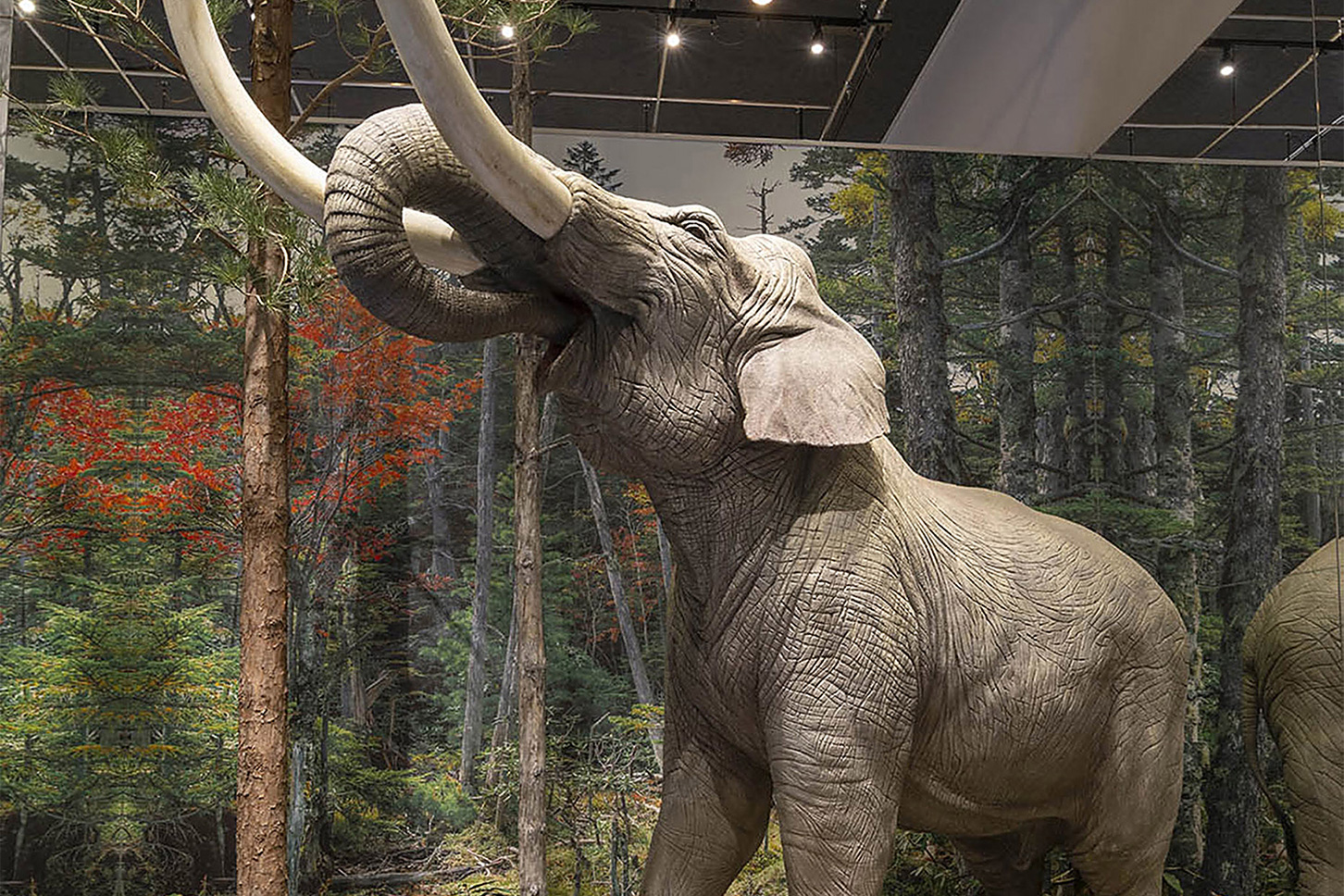
ひとびとが日本列島で暮らしはじめた旧石器時代から、縄文、弥生、古墳、飛鳥、奈良時代を経て平安時代に至るまでを展示します。長い時間のなかで、ひとびとの暮らしがどのように変化してゆくのか、土器の出現、水田稲作のはじまり、前方後円墳の出現や国家の形成などに注目して紹介します。
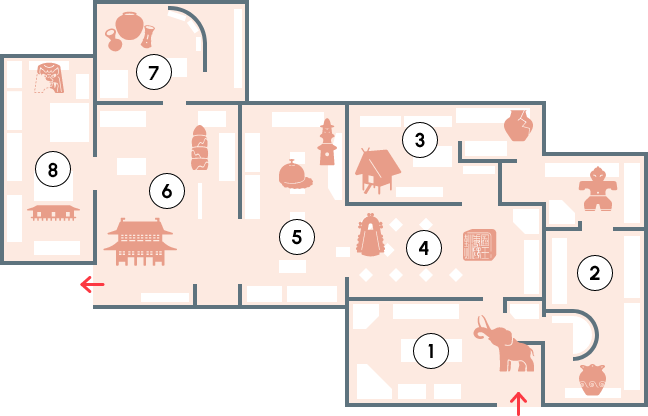
①最終氷期に生きた人々
約260万年前から現在まで続く氷河時代のなかで、地球が最も寒かったのが最終氷期(約11万〜1万2千年前)です。約3万7千年前にホモ・サピエンスは日本列島にやってきました。約1万2千年前から始まる後氷期とは全く異なる環境の中で、当時の人びとは移動性が高い狩猟採集の生活を営んでいました。最終氷期に生きた日本列島の後期旧石器時代(約3万7千〜1万6千年前)の人びと、そして縄文時代草創期(約1万6千〜1万1千年前)の人びとの生活の様子を見ていきます。
見どころ
列島に最初に住み始めた旧石器時代の人と生活、環境を、実物大のナウマンゾウ模型、石器製作や皮なめし風景などの生態復元模型を用いて展示します。日本最古の土器や土偶の出現にも焦点を当てています。
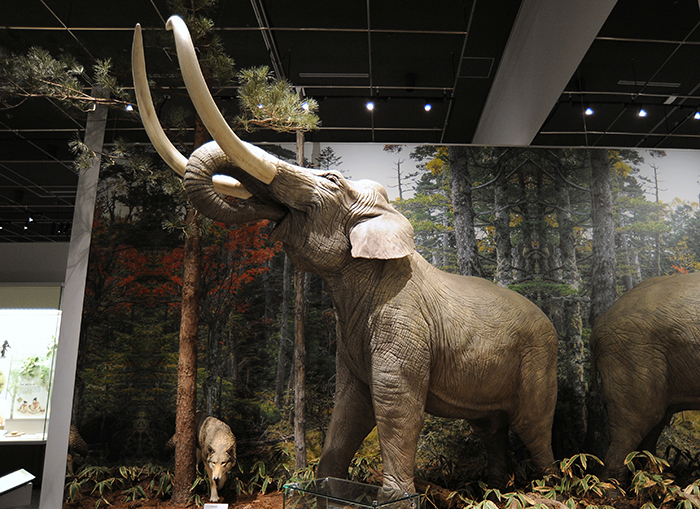
約4万年前の南関東の風景とナウマンゾウ
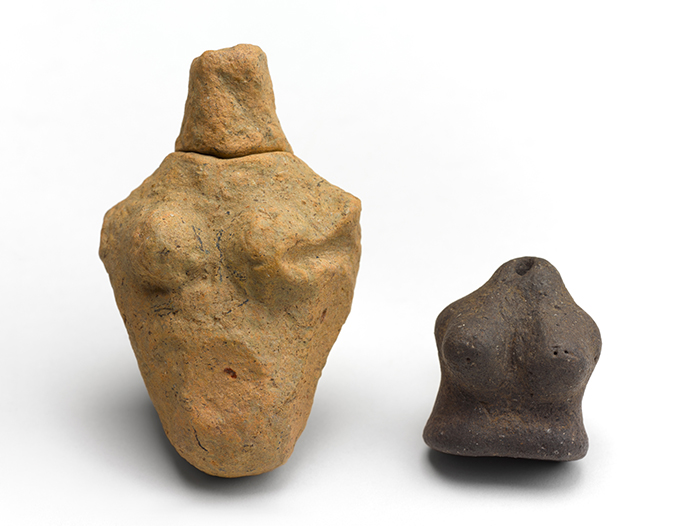
日本最古の土偶(複製)
左:三重県粥見井尻(かゆみいじり)遺跡出土〔原品:三重県埋蔵文化財センター〕
右:滋賀県相谷熊原(あいだにくまはら)遺跡出土〔原品:滋賀県教育委員会〕
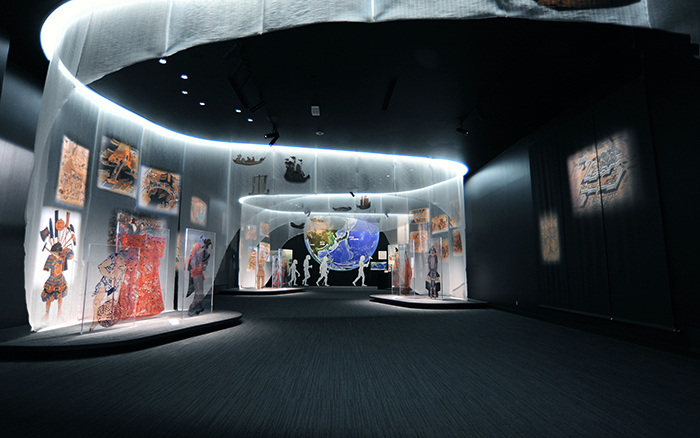
プロローグ
②多様な縄文列島
約1万1千年前の縄文時代早期から、九州北部において水田稲作が始まる約3千年前までの間、南北3千kmにわたって連なり、さまざまな生態系が存在した日本列島では、共通性を持ちつつも、各地の環境の違いに適応した暮らしが営まれ、多様な生活様式や社会、精神文化が形成されていました。本格的な定住生活を始め、狩猟・採集・漁労・栽培を行いながら、世界史的にもユニークな文化を残した人びとの生活を見ていきます。
見どころ
ここでは、当時の人びとの日々の生活誌はもちろん、死生観などの精神文化についても、日本最大級の大型石棒(実物)や、100体もの遺体を埋葬した墓の実大模型などによって大胆に復元を試みています。
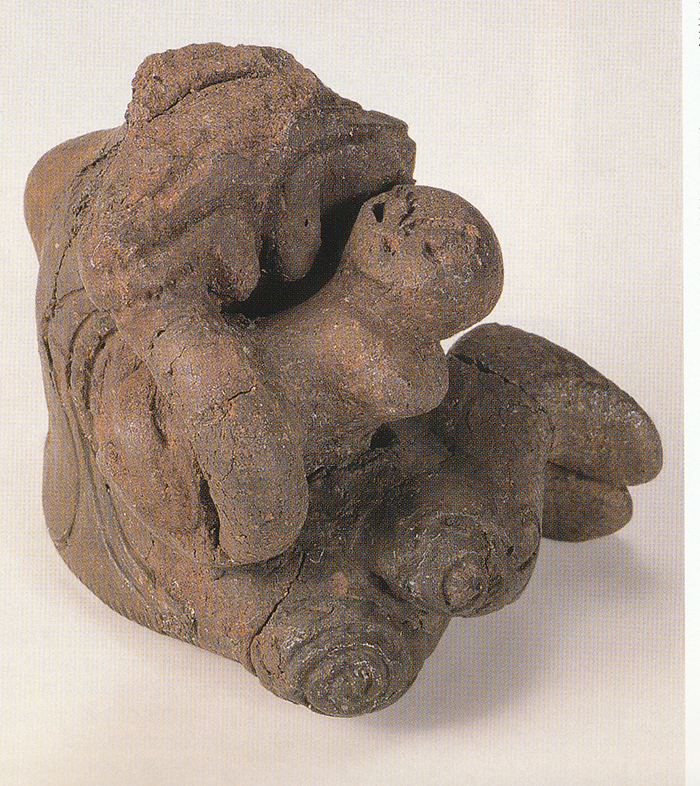
子抱き土偶
東京都宮田遺跡出土
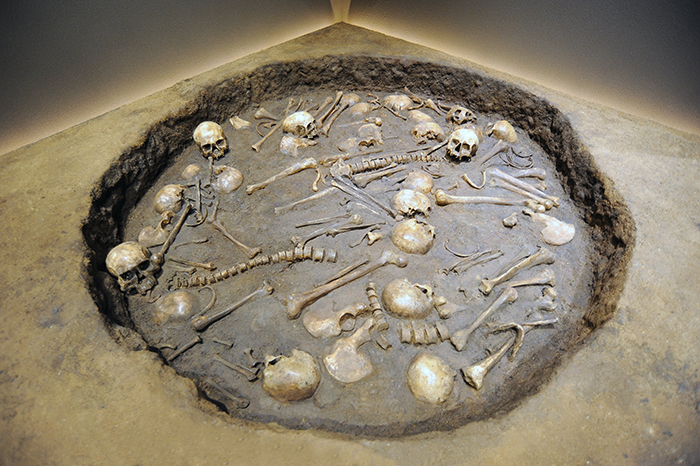
多数合葬・複葬例(模型)
茨城県中塚貝塚
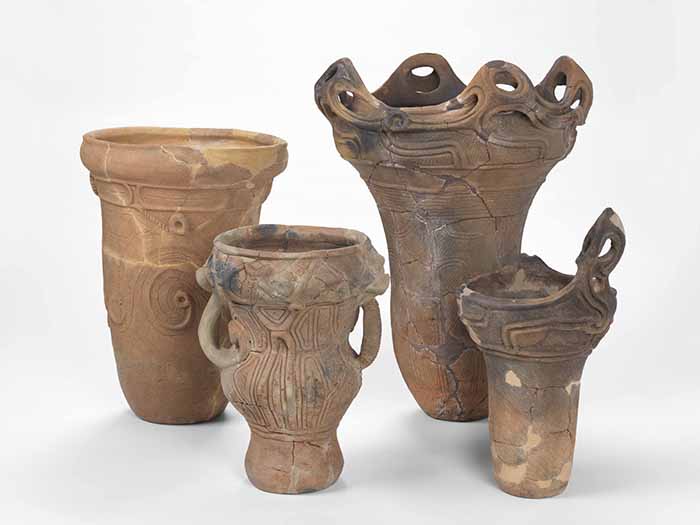
縄文中期の土器
左2点:山梨県柳田遺跡出土
右2点:北関東出土
③水田稲作のはじまり
紀元前10世紀ごろに九州北部で始まった水田稲作は、ゆっくりと日本列島各地に広がり、約600年後には水田稲作を受け入れる地域と、受け入れない地域に大きく分かれました。同時に金属器も現れ、九州北部の人びとは青銅器や鉄器の原料を求めて海を渡り始めるとともに、青銅器のまつりを開始しました。水田稲作が500年早く始まったことで大きく変わった紀元前10世紀から紀元前3世紀までの、約700年にわたる歴史を見ていきます。
見どころ
現代でも大きな問題となっている、戦い、環境汚染、格差などは弥生時代になって始まり、本格化します。その発生のメカニズムやコメ作りの始まりとの関係について、じっくりとご覧ください。
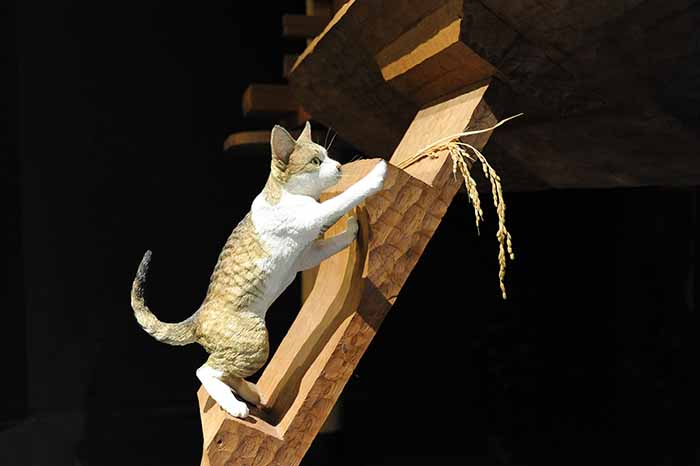
弥生時代の仔ネコ(復元)
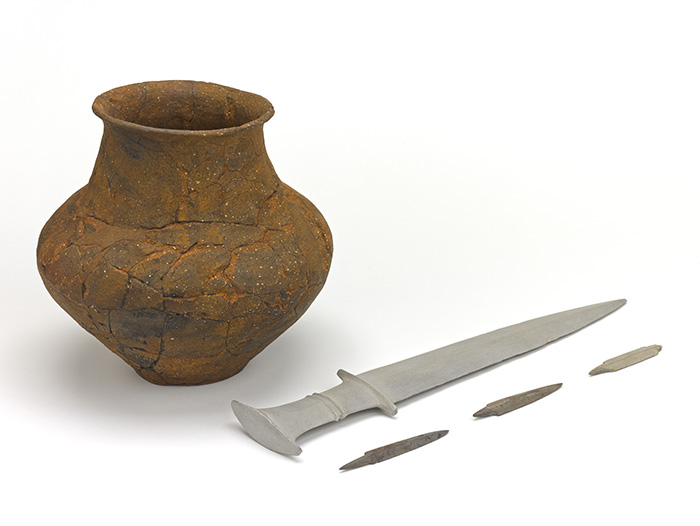
副葬品 壺、磨製石鏃(複製)磨製石剣(復元複製)
福岡県雑餉隈(ざっしょのくま)遺跡3号木棺出土〔原品:福岡市埋蔵文化財センター〕
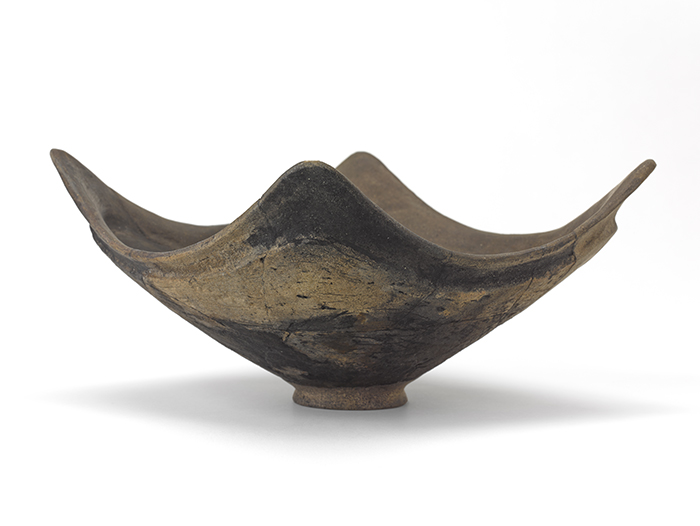
浅鉢(複製)
福岡県橋本一丁田遺跡出土 〔原品:福岡市埋蔵文化財センター〕
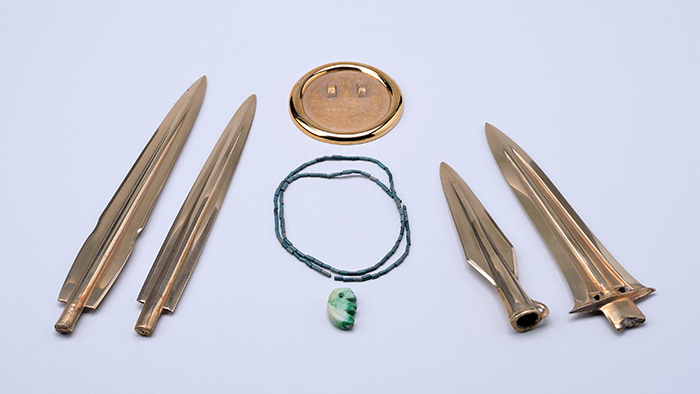
副葬品(復元複製)
福岡県吉武高木遺跡3号木棺出土
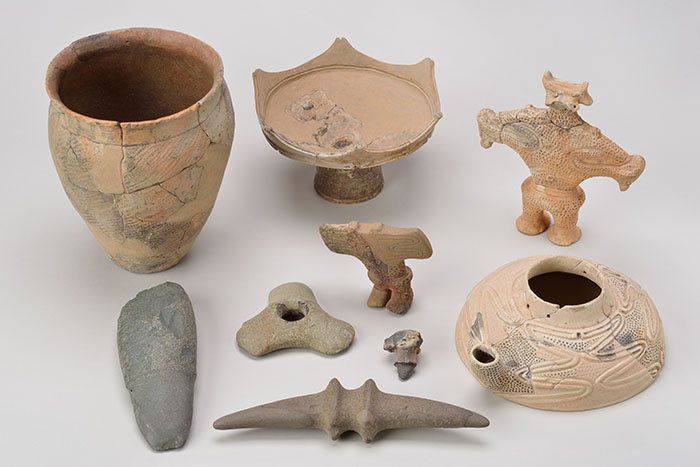
東北北部最古の水田に伴う道具類(複製)
青森県砂沢遺跡出土〔原品:弘前市教育委員会〕
④倭の登場
紀元前1世紀ごろに、倭人は漢王朝を中心とした東アジア世界に登場しました。新たな対外交渉が始まる1・2世紀の弥生時代後期には、倭人の世界も大きく変化しました。地域のまとまりがより明確になり、地域を越えた交流もさかんになりました。そのなかで、外部との交流を担う特殊な人物が生まれました。ここでは、中国大陸と朝鮮半島、日本列島の各地に目を向け、お互いの結びつきをながめることができます。
見どころ
展示空間を東アジアの海に見立て、海を通じて結びついた各地の様子を示しています。中国から朝鮮半島、そして日本列島各地へと、金印を手に入れた1・2世紀の東アジアを旅してみてください。
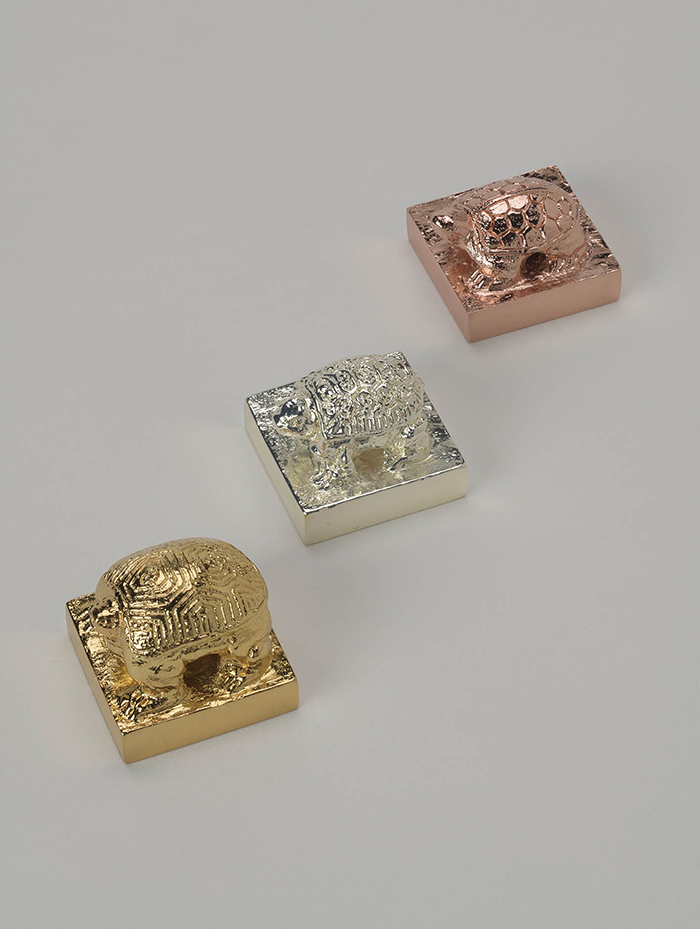
漢代各種印(金・銀・銅)(模造)
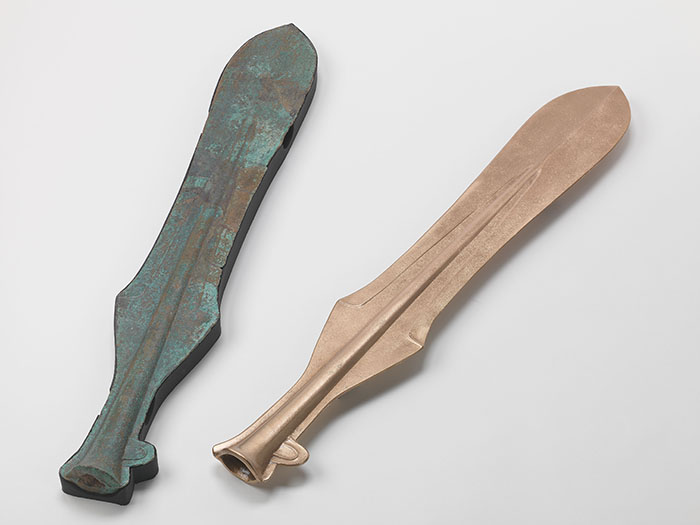
広形銅矛とその復元複製
大分県法鏡寺出土
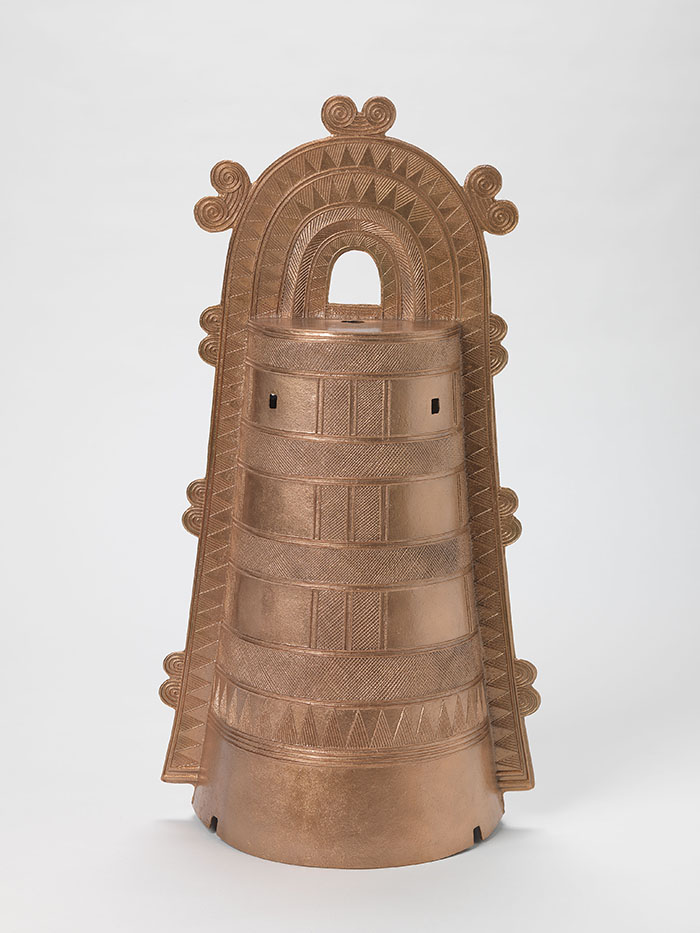
袈裟襷文銅鐸(復元複製)
福井県向笠出土
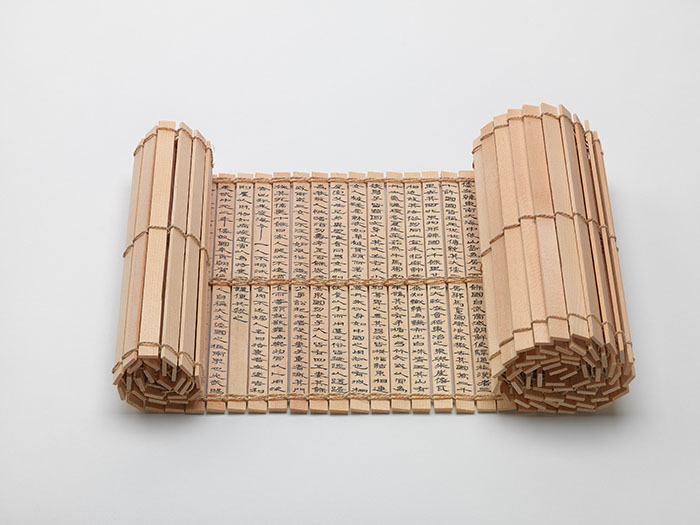
後漢書東夷伝(復元複製)
⑤倭の前方後円墳と東アジア
3世紀に入ると、各地の有力者たちは、中国や朝鮮半島との交流や競合の中、連合して倭王を立てました。倭王を頂点とする有力者(王)の地位や勢力は、前方後円墳を代表とする古墳の規模や内容に反映されました。その北や南には、独自の社会や秩序が広がっていました。窯業、鉄の加工や生産、馬の利用など、新たに伝わった技術や文化の広がりとともに、各地で展開した人びとの暮らしや王の姿を浮き彫りにしていきます。
見どころ
列島中央部の支配者の歴史として語られてきた古墳時代像を一新。アジア諸地域との交流から生まれた古墳社会の姿を、王と人びとの暮らしや技術、列島南北の様子などに力点を置き、最新資料で描きます。
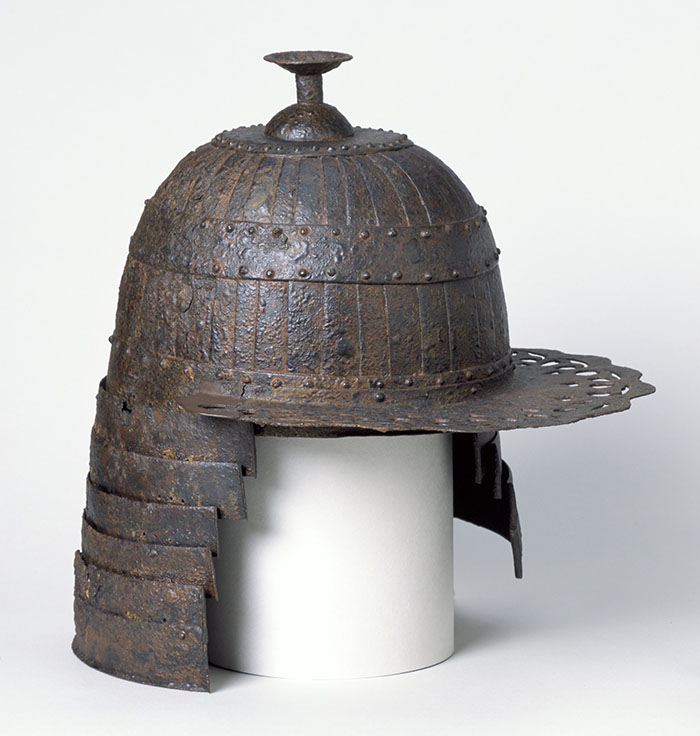
鉄製冑
熊本県マロ塚古墳出土
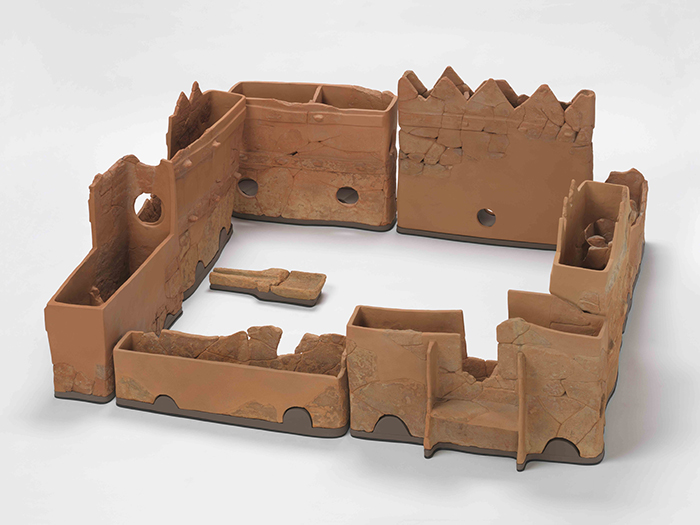
導水施設形埴輪(複製)
大阪府狼塚古墳出土〔原品:藤井寺市教育委員会〕
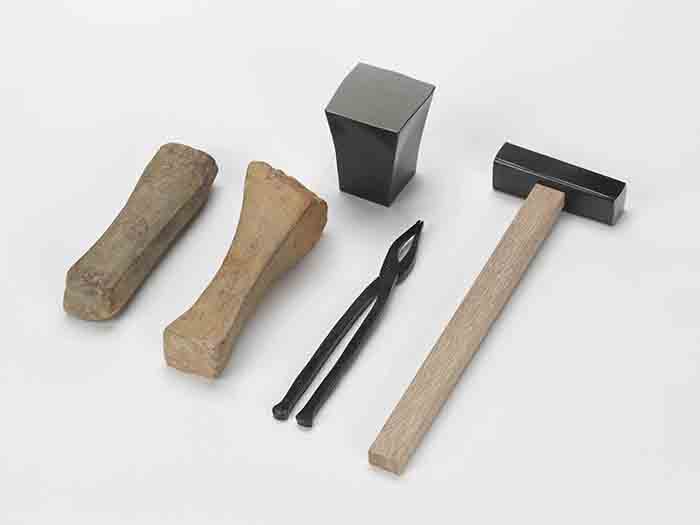
鍛冶具(復元複製)
大阪府蔀屋北遺跡出土
⑥古代国家と列島世界
7世紀以降、列島世界では、中国から取り入れた律令をもとに新たな国家形成が進み、畿内を中心とした古代国家「日本」が誕生しました。大陸や半島から伝わった先進の文物や技術は、列島世界の文化に大きな影響を与えました。一方、列島の各地では、多様な環境に合わせた、さまざまな特徴を持つ地域社会が形成されました。とくに古代国家の東と西では、その影響を受けつつも、独特な文化が展開し、列島世界を変質させる原動力となりました。
見どころ
はじめて、飛鳥時代の展示ができました。展示室の真ん中には、須弥山石と呼ばれる飛鳥でみつかった巨大な石造物の復元複製を展示します。また、古代の国際交流では、福岡県福岡市の鴻臚館からの出土資料を展示します。
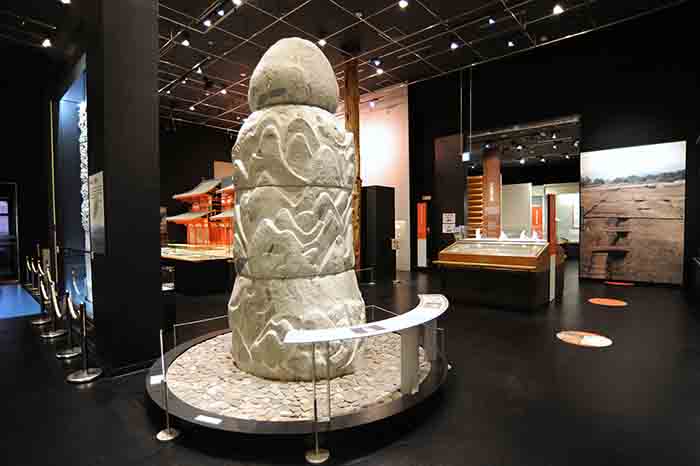
須弥山石(複製)
〔原品:奈良文化財研究所飛鳥資料館〕
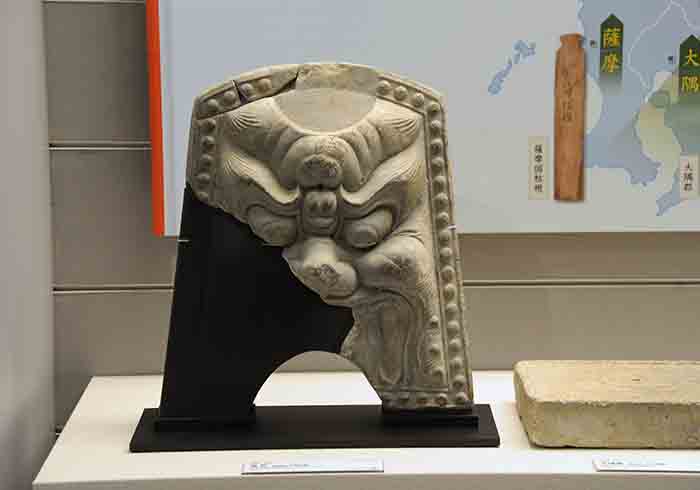
大宰府鬼瓦(複製)
福岡県大宰府跡出土〔原品:九州国立博物館〕
⑦沖ノ島
沖ノ島は九州と朝鮮半島の間に位置し、古代には航海安全を祈る神まつりの場でした。その時期は4~9世紀、500年もの長きにわたります。この副室では、今でも「神宿る島」として信仰の対象となっている沖ノ島で、どのようなまつりが行われてきたのかを展示します。また、東アジアとの交流の歴史も紹介します。
見どころ
祭場の実物大模型、華麗な奉献品の複製品から、沖ノ島の荘厳さを実感できます。また、朝鮮半島でみつかった航海安全のための祭場、竹幕洞祭祀遺跡についても展示しています。
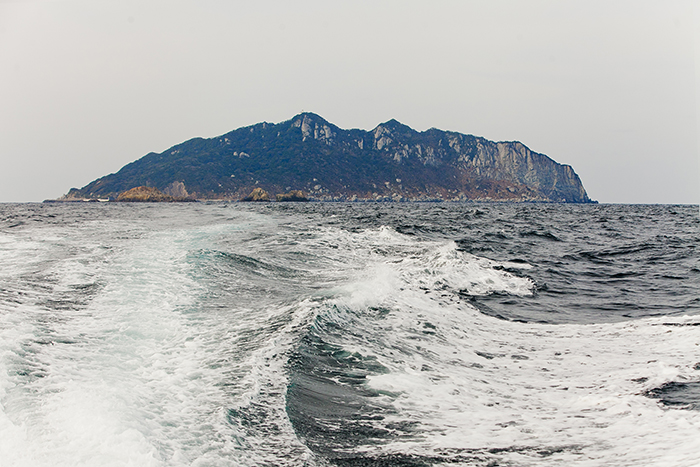
沖ノ島
撮影:今城秀和
提供:「神宿る島」宗像・沖ノ島と関連遺産群保存活用協議会
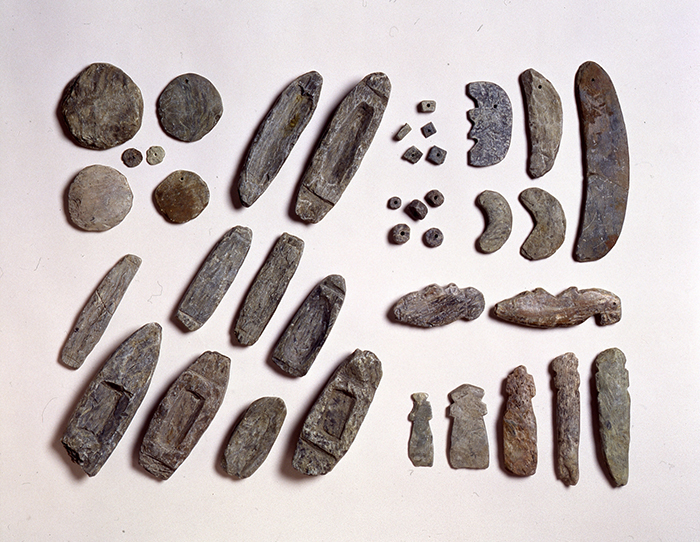
石で馬や船、勾玉などをかたどったまつりの道具(複製)
〔原品:宗像大社〕
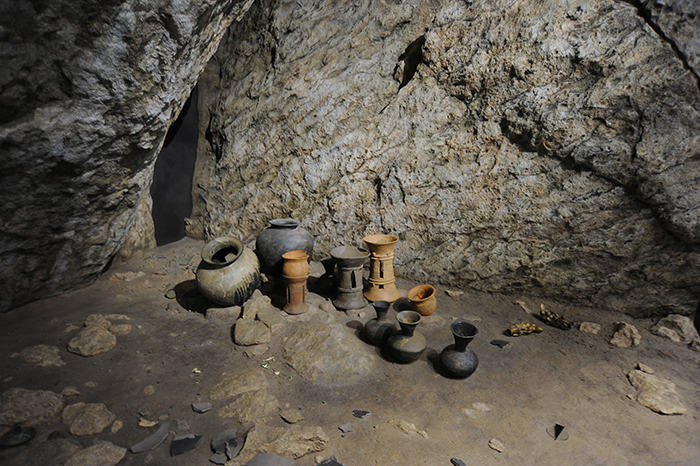
5号祭祀遺跡(模型)
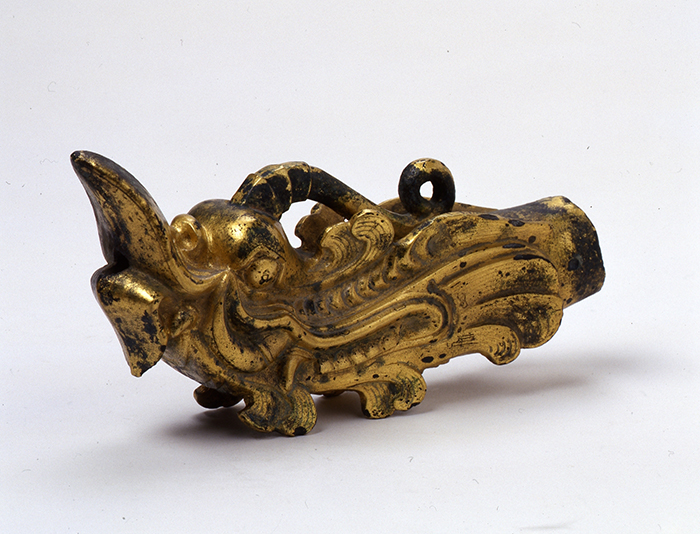
旗ざおの先の龍頭(複製)
〔原品:宗像大社〕
⑧正倉院文書
奈良県の東大寺正倉院に伝えられた正倉院文書は、現存する奈良時代(8世紀)の古文書群として、とても貴重な歴史資料です。歴博は、創設時の1981年から、宮内庁正倉院事務所と協力して、正倉院文書の精密な複製資料を作成し、研究や展示に役立ててきました。ここでは、これらを活用して、律令官人制と呼ばれる律令による古代的な役人制度や、ハンコを押した紙や木簡を使用した文書のやりとりについて示します。さらに正倉院文書の「オモテ」(公文書)と「ウラ」(写経所文書)の世界を展示します。
見どころ
諸国からの報告書(戸籍・計帳・正税帳)や写経事業の事務管理に使われた帳簿群など、正倉院文書の複製を活用してテーマ別に4点ほど、2ヶ月サイクルで展示します。
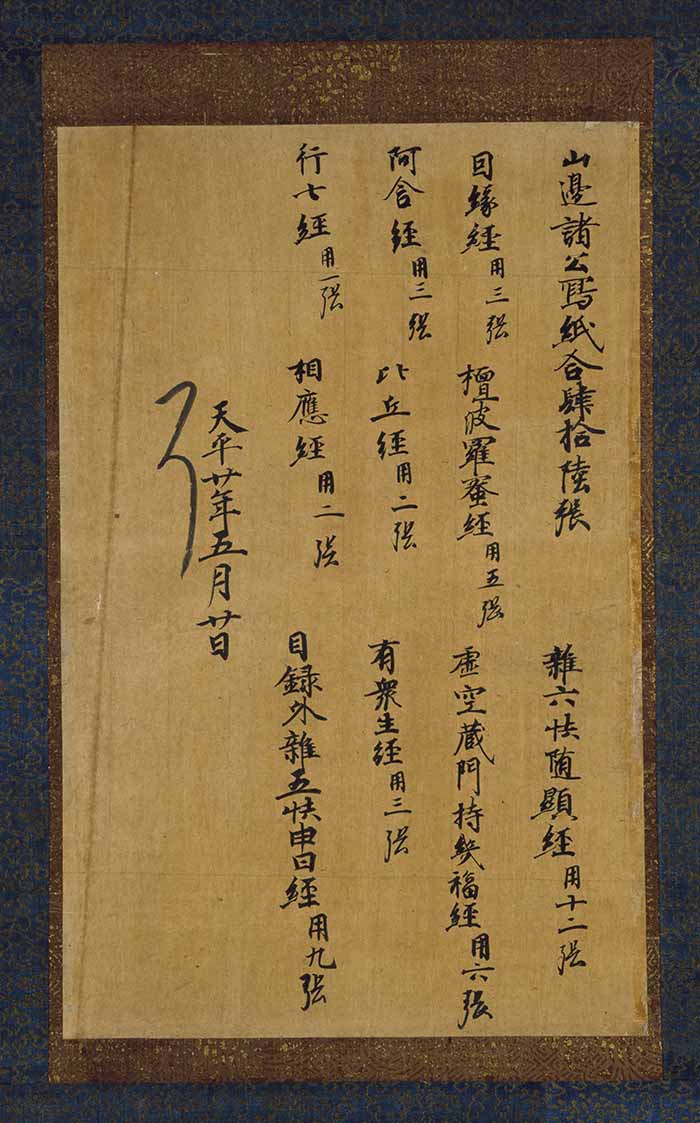
「天平二十年五月二十日山辺諸公手実」
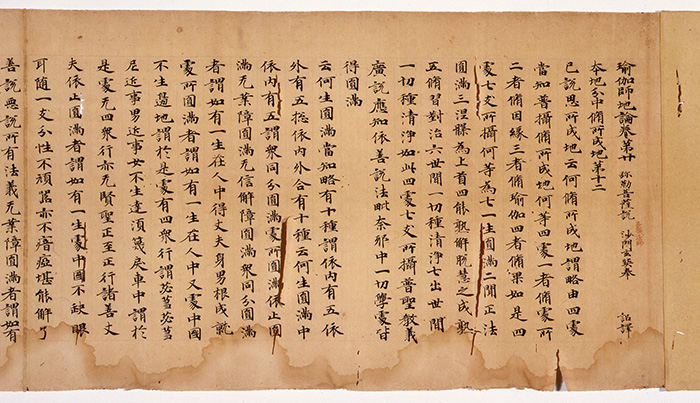
「瑜伽師地論 巻第二十(天平十二年五月一日経)」